



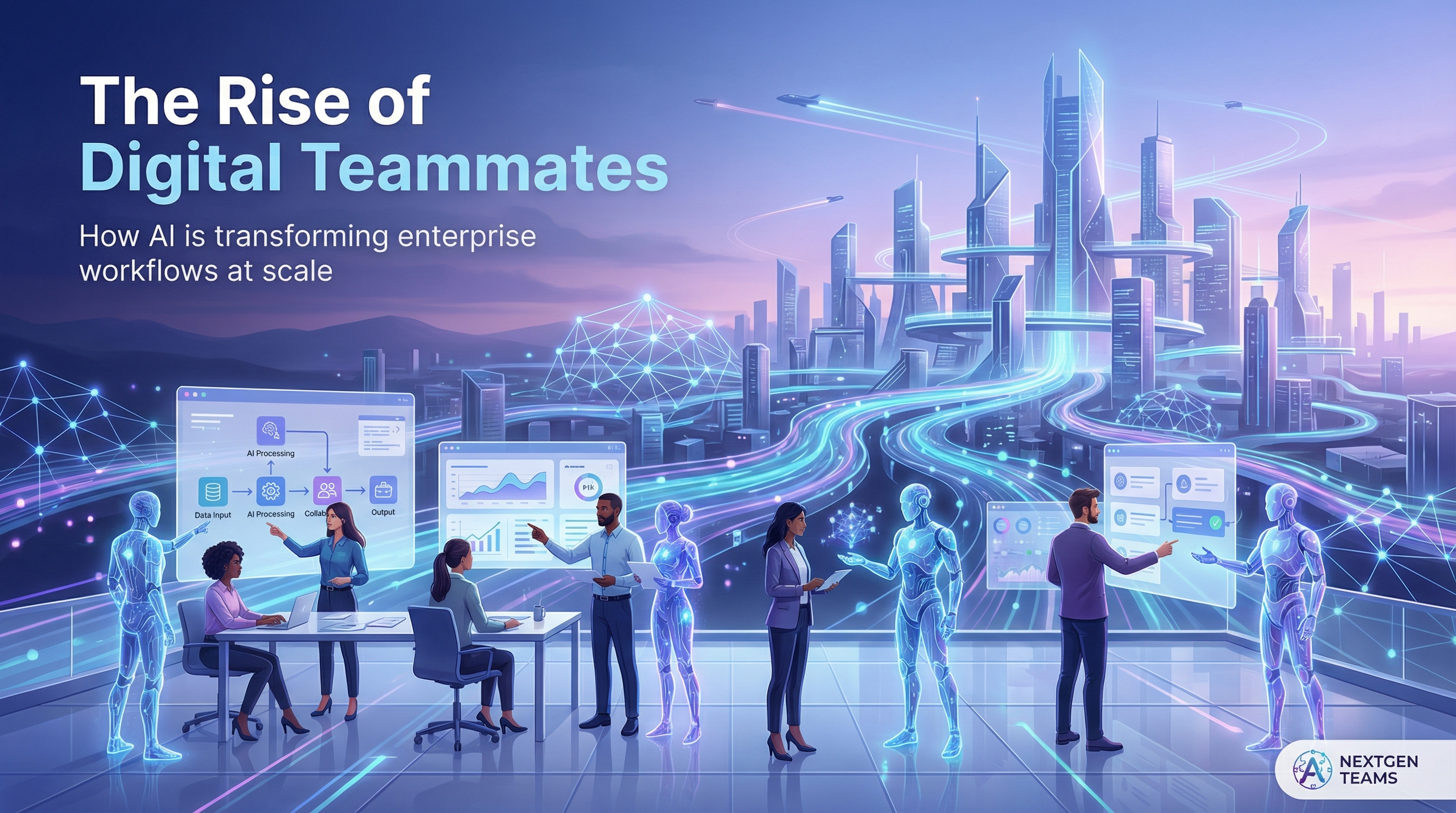
The rise of the Digital Teammate marks a new era in AI-powered collaboration, where artificial intelligence is no longer a back-office tool but a trusted colleague driving real impact. Across industries, organizations are deploying Digital Teammates to enhance productivity, reduce administrative burdens, and unlock new value from human-AI partnerships.
One of the most compelling examples comes from The Ottawa Hospital, which recently introduced an AI-powered Digital Teammate to assist staff, patients, and visitors. According to The Ottawa Hospital newsroom, this innovative assistant is designed for human-like interactions and is currently being tested in multiple hospital locations, with feedback loops built in to refine its capabilities. The project, developed in collaboration with Deloitte Canada, aims to improve patient care and staff experience by automating routine information requests and freeing up valuable human resources.
The healthcare sector is not alone in this transformation. In cybersecurity and IT, companies like Axari are pioneering the concept of digital colleagues—AI workers that act as virtual Chiefs of Staff for leaders overwhelmed by operational noise. As detailed in a LinkedIn Pulse article, Axari’s approach centers on human-centered design, ensuring that Digital Teammates provide not just automation but also strategic leverage and clarity for decision-makers.
The shift in mindset is further explored in the podcast “Digital Pulse” by ELCA, where experts discuss the “AI Persona Mindset.” Instead of treating AI as disposable tools, organizations are encouraged to onboard AI as specialized teammates with defined roles, clear responsibilities, and ongoing feedback. This intentional approach, the podcast argues, leads to higher-quality outcomes, greater trust, and a more resilient workforce.
Together, these stories illustrate how the Digital Teammate is moving from concept to reality, bringing both technological and cultural change to the workplace.
Why does the Digital Teammate matter so much today? The answer lies in the practical challenges faced by organizations as they navigate an increasingly complex digital landscape. Administrative overload, information silos, and the demand for round-the-clock support are just a few of the pressures driving the adoption of AI-powered colleagues.
In healthcare, Digital Teammates like the one at The Ottawa Hospital are already demonstrating tangible benefits. By handling routine inquiries and providing educational support, these AI assistants help reduce staff burnout and improve the patient experience. What sets this approach apart is its focus on empathy and adaptability—qualities achieved through multidisciplinary co-design with clinicians, patients, and technologists. As Canadian Healthcare Technology reports, the hospital’s Digital Teammate, “Sophie,” was shaped by continuous input from end users, ensuring that the technology truly meets real-world needs.
For IT and security leaders, the stakes are different but no less urgent. Digital Teammates offer a solution to the relentless pace of alerts, audits, and administrative tasks that can overwhelm even the most capable teams. The Axari story highlights how virtual Chiefs of Staff can cut through the noise, triage tasks, and provide leaders with the clarity needed to make strategic decisions. By embedding context, empathy, and continuity, these digital colleagues become more than just automation—they become trusted partners.
The “AI Persona Mindset” takes this a step further, advocating for intentional onboarding and specialization of AI teammates. This approach reduces the risk of errors, ensures alignment with organizational values, and fosters a culture of continuous improvement. Organizations that embrace this mindset are better positioned to adapt to changing demands and unlock new sources of value.
Looking ahead, the implications for businesses and builders are profound. Digital Teammates promise not only increased efficiency but also a more human-centric approach to technology adoption. By integrating AI into teams as true collaborators, organizations can scale expertise, maintain quality, and respond to challenges with agility.
Platforms like CloneForce are at the forefront of this movement, offering automation solutions that empower businesses to build, deploy, and manage Digital Teammates tailored to their unique needs. As the landscape evolves, the most successful organizations will be those that view AI not as a replacement for human talent, but as a catalyst for deeper collaboration and shared success.
What’s next for Digital Teammates? Expect continued innovation in personalization, security, and integration—alongside a growing recognition that the future of work is not just AI-driven, but AI-empowered.


