



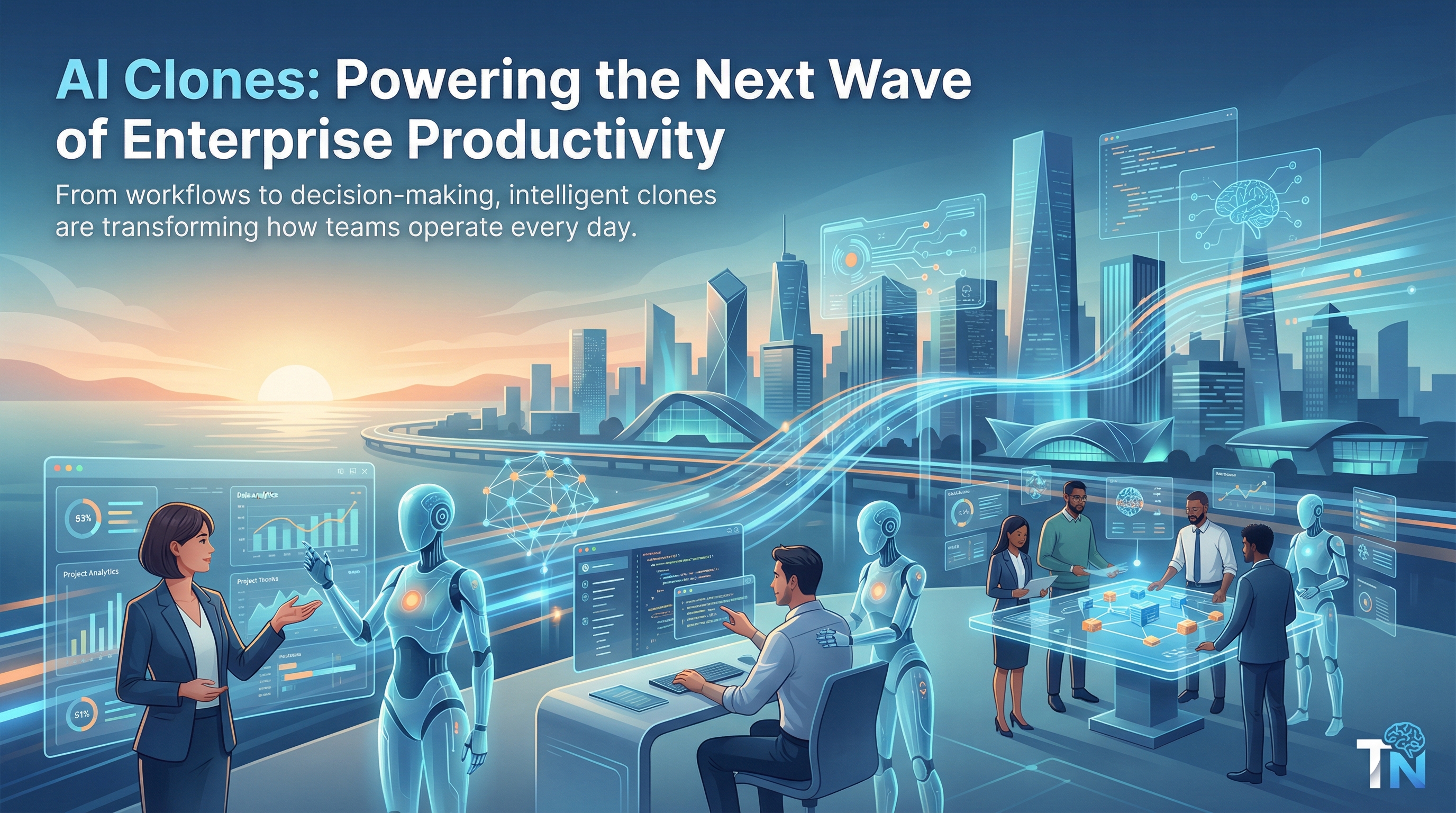
The rise of AI Clones is no longer a futuristic fantasy—2026 is the year digital twins and synthetic personas are taking center stage in the business world. At CES 2026, IgniteTech’s MyPersonas platform made headlines by demonstrating how AI can create digital replicas of employees, capturing their voice, video, and knowledge to enable seamless virtual interactions across languages and time zones (Euronews). These AI-powered clones can handle repetitive queries, training, and even act as stand-ins during meetings, promising a leap in productivity and efficiency.
But alongside these advances, the line between authentic and artificial is blurring at an unprecedented pace. According to a study highlighted by Earth.com, AI-cloned voices have reached a level where even informed listeners struggle to distinguish between real and synthetic speech. The implications for identity, trust, and security are profound, as familiar cues like tone and pacing can now be convincingly replicated.
Meanwhile, Fortune reports that deepfake technology has crossed the “indistinguishable threshold,” with AI-generated faces and voices becoming nearly impossible to tell apart from real people. This democratization of advanced AI tools means anyone can now create convincing synthetic media, raising both opportunities and risks.
As businesses embrace AI Clones for operational gains, they must also navigate new ethical questions and security challenges. The stories emerging in 2026 highlight not only the power of AI Clones to transform workflows but also the urgent need for responsible deployment and robust safeguards.
The mainstream adoption of AI Clones marks a pivotal moment for organizations striving to balance innovation with security and trust. The practical benefits are clear: digital twins can alleviate workload bottlenecks, provide 24/7 support, and enable global reach without language barriers. Platforms like IgniteTech’s MyPersonas, featured at CES 2026, showcase how AI Clones can automate onboarding, training, and customer engagement, freeing human employees to focus on higher-value tasks.
However, the same capabilities that make AI Clones attractive also introduce new complexities. The Fortune analysis underscores a sobering reality—deepfakes and voice cloning are now so advanced that they can fool even experts, undermining traditional forms of authentication. This has far-reaching consequences, from financial fraud to misinformation and reputational risk. As Earth.com’s coverage reveals, identity cues once considered reliable—such as a familiar voice—no longer guarantee authenticity. Organizations must rethink how they verify identity and protect sensitive operations.
The threat landscape is evolving as well. Marketplace reports a surge in AI-powered scams, where coding agents can rapidly generate convincing fake websites to impersonate brands and deceive consumers. The low cost and high scalability of these attacks make them a growing concern for businesses of all sizes. As AI-generated content proliferates, companies must invest in new detection tools, employee training, and proactive communication strategies to safeguard their reputation and customer trust.
For businesses and builders, the implications are twofold. First, embracing AI Clones can drive efficiency, innovation, and customer satisfaction—provided ethical standards and privacy safeguards are in place. Second, organizations must stay vigilant, adapting their security protocols and legal frameworks to address the challenges of synthetic media and digital impersonation.
Looking ahead, the outlook for AI Clones is both exciting and cautionary. Automation platforms such as CloneForce are at the forefront of this transformation, enabling organizations to harness the benefits of AI Clones while navigating the evolving landscape of trust and authenticity. As technology advances, stakeholders must collaborate to establish clear guidelines, invest in detection and verification tools, and foster a culture of transparency.
The next chapter in AI + Human Collaboration will be defined by how effectively businesses can leverage AI Clones to empower their teams and protect their communities. The call to action is clear: embrace innovation, but do so with eyes wide open to the risks and responsibilities that come with a world where digital and human identities increasingly converge.


