



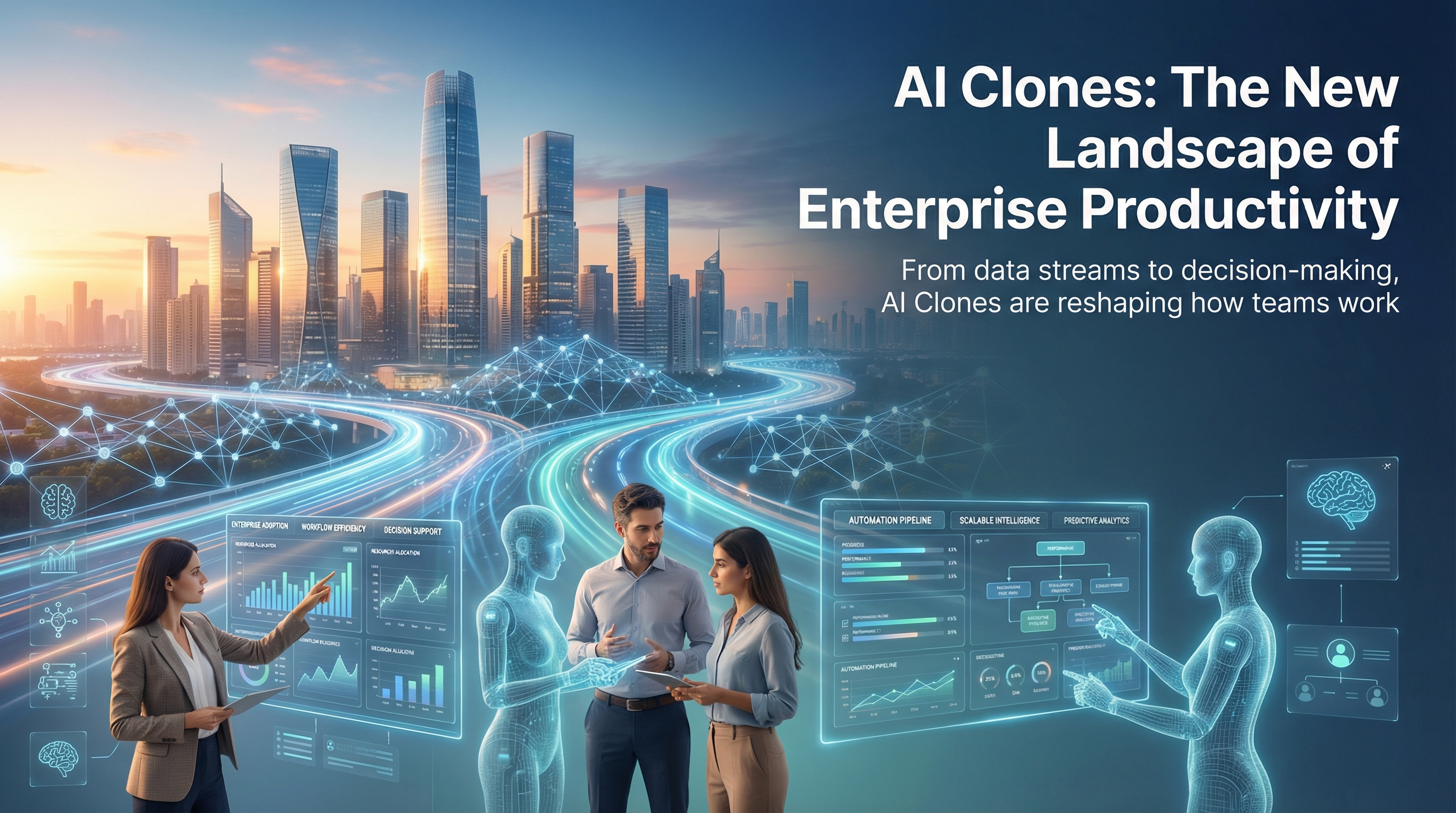
The rise of AI Clones is no longer a futuristic concept—it's a reality transforming how we work, communicate, and secure our identities. At CES 2026, the unveiling of MyPersonas by IgniteTech marked a pivotal moment: employees can now have digital twins that answer questions, join meetings, and interact in multiple languages, all powered by advanced AI. This leap in capability promises to revolutionize productivity, allowing key staff to focus on higher-value tasks while their AI Clones handle routine inquiries and training.
But the impact of AI Clones extends far beyond the office. According to a recent study by UC Berkeley, AI-cloned voices have reached a level of realism that even trained listeners struggle to distinguish from real human speech. The implications are profound: identity, once anchored by a familiar face or voice, is now vulnerable to sophisticated mimicry. This has already led to a surge in deepfake scams and fraudulent activities, with experts warning that 2026 will be a tipping point for media authenticity.
Meanwhile, the proliferation of AI coding agents is enabling scammers to create convincing fake websites and impersonate brands at an unprecedented scale. As the digital world adapts, both individuals and organizations must recalibrate their trust mechanisms and adopt new habits for verifying authenticity. The promise of AI Clones is immense, but so are the challenges they introduce.
Why do these developments matter so much now? The rapid adoption of AI Clones and digital twins is fundamentally altering the fabric of business operations and digital trust. For forward-looking organizations, the ability to deploy AI-powered stand-ins offers a competitive edge in efficiency and scalability. Platforms like CloneForce are at the forefront of this transformation, providing businesses with tools to automate workflows, enhance customer engagement, and ensure round-the-clock support through AI Clones.
Yet, with great power comes great responsibility. The same technologies that enable seamless collaboration and productivity gains also open doors to new threats. The Fortune report on deepfakes warns that the indistinguishable nature of AI-generated media is fueling a wave of real-time scams, misinformation, and reputational risks. As voice and video cloning cross the “indistinguishable threshold,” traditional methods of authentication—like recognizing a familiar voice—are no longer sufficient.
The Earth.com study underscores the urgency for new standards in media verification. Businesses and individuals alike must adopt digital credentials, watermarking, and robust authentication protocols to stay ahead of malicious actors. Meanwhile, the surge in AI-powered website cloning, highlighted by Marketplace, is forcing brands to monitor their digital presence more vigilantly and educate customers about potential scams.
Looking ahead, the practical implications are clear. Companies must invest in AI literacy, update security policies, and foster a culture of vigilance. Employees should be trained to recognize the signs of synthetic media and adopt habits—such as verifying requests through independent channels—that reduce the risk of falling victim to scams.
What should businesses and builders watch next? Expect continued advances in real-time AI Clones, deeper integration into customer service and HR, and growing regulatory scrutiny around consent and ethical use. As automation platforms such as CloneForce set new benchmarks for safe, effective AI-human collaboration, the organizations that thrive will be those that balance innovation with robust safeguards.
The future is bright for AI Clones, but it requires a collective commitment to trust, transparency, and adaptability.


