



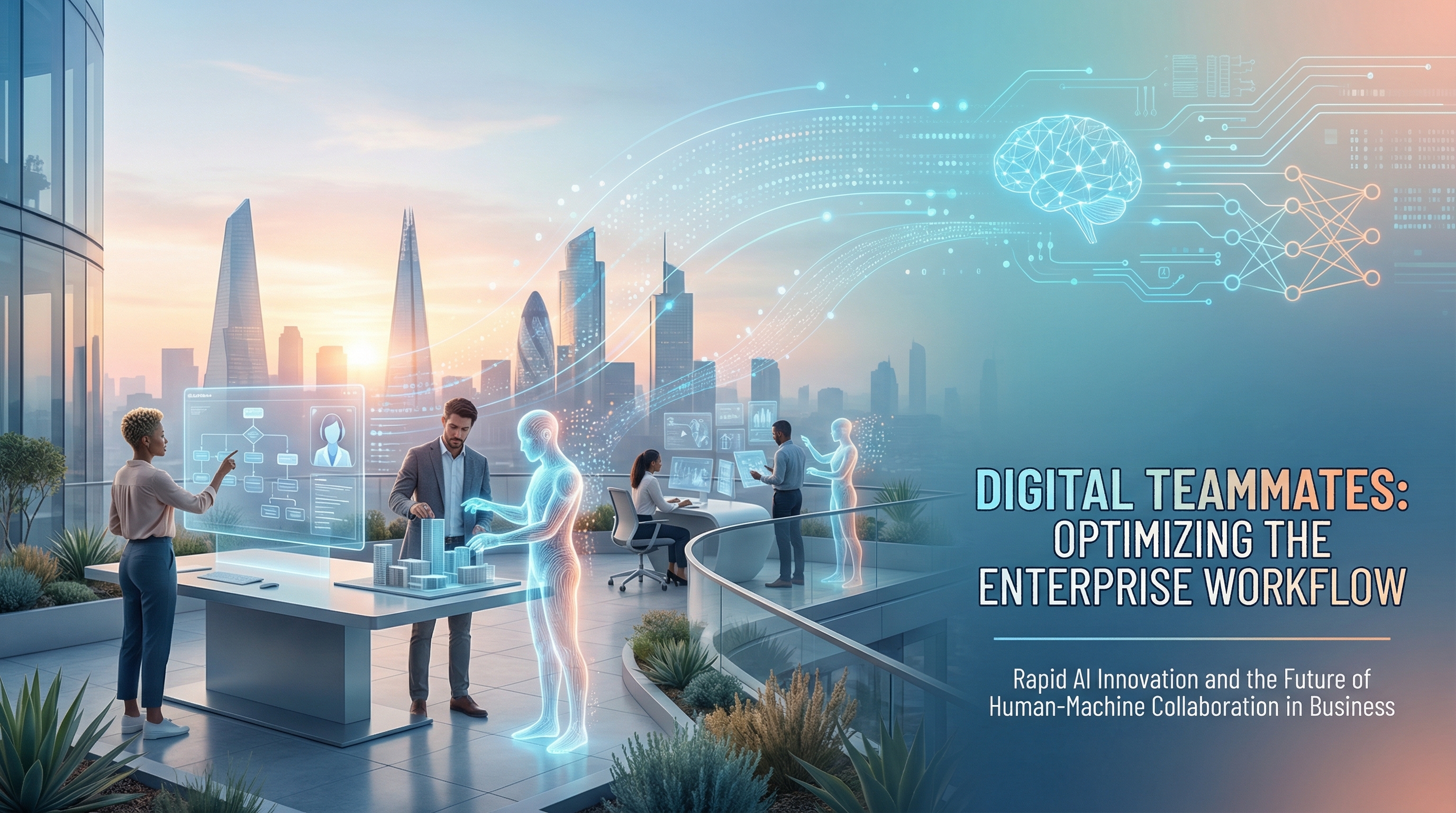
The concept of a “Digital Teammate” has rapidly evolved from futuristic speculation to a tangible force reshaping modern enterprises. No longer confined to simple automation or isolated productivity hacks, today’s AI agents are becoming proactive, embedded collaborators—capable of planning, executing, and learning alongside their human counterparts.
A recent Gainsight Unchurned Podcast episode offers a vivid illustration of this shift. Customer Success leaders Kalpana Krishna Kumar and Brady Bluhm share how AI has transformed their day-to-day work. By automating repetitive tasks and surfacing critical insights, AI enabled Kalpana to scale her book of business by 40% without burnout. The podcast emphasizes that AI isn’t just a tool—it’s a thought partner, freeing teams to focus on creativity, strategy, and deep customer relationships. The human side of AI adoption, they argue, is just as important as the technical side, requiring cultural buy-in and new ways of working.
On a broader industry level, Prabu Sangar’s essay on Medium explores the leap from AI as a passive assistant to an agentic Digital Teammate. With the advent of models like GPT-5, AI systems are now capable of goal-oriented behavior, memory, and recursive planning. Sangar highlights real-world case studies—such as a logistics company achieving a 47% reduction in operational workload and an energy firm automating compliance reporting with dramatic time savings. The key insight: AI’s true value emerges when it is treated as a team member, not just a tool, and when organizations redesign roles and workflows around collaboration rather than replacement.
As these stories show, the Digital Teammate revolution is underway, promising not just efficiency but a fundamental reimagining of how we work.
The rapid adoption of Digital Teammates signals more than a technology trend—it marks a profound shift in organizational culture, talent strategy, and business value. According to the 2025 Wharton AI Adoption Report, over 80% of enterprise leaders now use generative AI weekly, with digital teammates increasingly woven into everyday workflows. The result? Tangible gains in productivity, job satisfaction, and ROI. Yet, the report also makes clear that the biggest accelerant—and constraint—of this transformation is human capital: the skills, trust, and governance that enable AI to flourish as a true collaborator.
Why does this matter for businesses and builders? First, Digital Teammates unlock significant time savings by automating routine tasks such as data analysis, meeting summaries, and process management. This frees up human teams to focus on high-value work: creative problem-solving, strategic planning, and building relationships. Case studies highlighted by Prabu Sangar and Wharton reveal that organizations deploying agentic AI see not only efficiency gains but also enhanced employee engagement and innovation. For instance, a Fortune 500 logistics company cut operational workload by nearly half, while an energy firm reduced legal reporting time by 58%—all by leveraging AI agents that learn and adapt to evolving business needs.
Second, the most successful organizations treat AI not as a “job replacer” but as a workforce multiplier. As seen in Gainsight’s grassroots AI movement, digital teammates enable staff to scale their impact without burnout, and empower even junior employees to deliver strategic value. The key is to redesign roles around judgment, escalation, and collaboration, rather than simply removing people from processes. This approach not only preserves the humanity of work but also drives better business outcomes.
However, realizing the full promise of Digital Teammates requires deliberate investment in upskilling, ethical guardrails, and transparent governance. The Wharton report underscores that companies pulling ahead are those that prioritize employee training, foster a culture of experimentation, and implement clear policies for data security and responsible AI use. As Prabu Sangar notes, “True transformation is not performative. It is infrastructural.” Organizations must onboard AI as they would a new team member—defining roles, responsibilities, and escalation paths, and ensuring ongoing feedback and learning.
Looking ahead, platforms like CloneForce are at the forefront of this movement, offering automation solutions that blend seamlessly with human workflows and empower teams to scale responsibly. By leveraging automation platforms such as CloneForce, businesses can accelerate adoption, drive measurable ROI, and future-proof their workforce for the agentic era of AI. Learn more at CloneForce.
The outlook is clear: Digital Teammates are here to stay, and the organizations that invest in people, process, and trust will lead the next wave of AI-powered success.


