



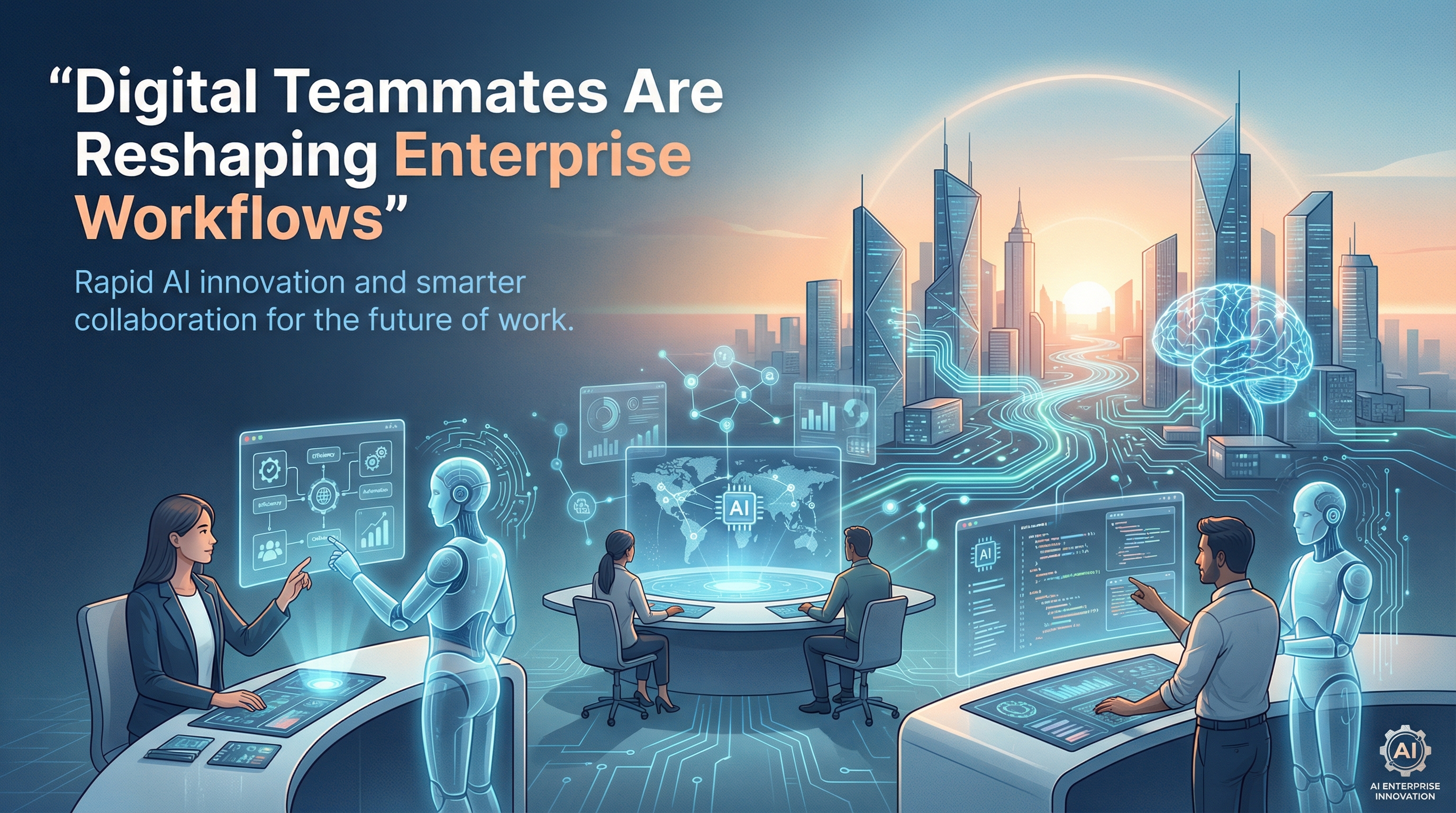
Across industries, the emergence of Digital Teammates marks a pivotal shift in how work gets done. No longer just tools for automation, these AI-powered colleagues are being woven into the fabric of daily operations, absorbing repetitive, information-heavy tasks and enabling professionals to focus on what matters most—judgment, creativity, and relationships.
According to Scott MacFarland’s analysis on LinkedIn Pulse, the narrative around AI is evolving. Rather than replacing jobs en masse, Digital Teammates are reshaping roles, handling research, preparation, and routine follow-ups, especially in sectors like real estate and brokerage. The true risk for organizations isn’t job loss, but falling behind as competitors integrate these AI collaborators to operate leaner and more efficiently.
In the healthcare sector, The Ottawa Hospital’s “Sophie” project demonstrates the transformative power of Digital Teammates. Co-designed with patients and clinicians, Sophie delivers 24/7 support and personalized education, reducing staff workload while improving patient experience. This collaborative development process ensures that the technology is both effective and empathetic—a new benchmark for AI in clinical settings.
Meanwhile, on Gainsight’s Unchurned podcast, leaders like Kalpana Krishna Kumar and Brady Bluhm reveal the practical impact of AI teammates in customer success. By automating up to 80% of routine work, AI enables staff to scale their efforts and focus on strategic, high-value activities, leading to better outcomes and less stress.
From the boardroom to the bedside, Digital Teammates are not just a trend—they are rapidly becoming essential partners in driving productivity, engagement, and innovation.
The ascent of Digital Teammates signals more than a technological upgrade—it’s a fundamental change in how organizations harness human and artificial intelligence together. As businesses and institutions adopt these AI colleagues, the benefits extend well beyond simple task automation.
Industry research, such as that cited by Forrester and McKinsey, shows that while a small percentage of jobs may be eliminated, the overwhelming impact of Digital Teammates is the reshaping of roles. Employees are freed from the mental drain of repetitive, information-dense work and instead empowered to focus on judgment, empathy, and creativity. This is echoed in the healthcare sector, where Ottawa Hospital’s Sophie project demonstrates how AI can be co-designed with end users to deliver trustworthy, compassionate support while alleviating staff burdens. The result is a more human-centered approach to both patient care and staff well-being.
Customer success teams, as highlighted on Gainsight’s Unchurned podcast, are experiencing firsthand how AI teammates can scale their impact. By automating routine tasks, professionals like Kalpana Krishna Kumar have expanded their book of business by 40%, all while reducing burnout and improving the quality of client relationships. The key takeaway: AI is a thought partner, not just a tool, enabling staff to unlock their best work and focus on strategic growth.
The “AI Persona Mindset,” introduced by ELCA Group, offers a practical framework for onboarding and managing Digital Teammates. Rather than treating AI as a disposable app, organizations are defining clear roles, providing context, and integrating feedback loops—much like they would with human hires. This intentional approach ensures continuity, security, and a higher quality of output, setting the stage for sustainable, collaborative innovation.
Looking ahead, the organizations that thrive will be those that move beyond the hype to thoughtfully integrate Digital Teammates into their workflows. The real competitive edge comes from pairing human expertise with AI’s capacity for memory, speed, and analysis. As platforms like automation platforms such as CloneForce enable businesses to deploy and manage Digital Teammates with ease, expect to see even greater gains in productivity, creativity, and employee satisfaction.
What’s next? Watch for deeper personalization, ethical co-design, and a growing emphasis on transparency and trust. Digital Teammates are here—not as replacements, but as indispensable partners in the next chapter of human achievement.


