



The Rise of AI Clones: Opportunities and Challenges in 2026
AI Clones have emerged as one of the most disruptive trends of 2026, redefining how people work, collaborate, and protect themselves online. These digital replicas—powered by advances in voice synthesis, video generation, and natural language processing—are now being deployed across a variety of industries and use cases.
At CES 2026, Euronews Next reported on new software capable of creating digital twins of employees using their voice, video, and written knowledge. These AI Clones can answer questions, provide training, and even attend meetings on behalf of their human counterparts, promising to reduce burnout and multiply productivity (Euronews Next). Meanwhile, companies like Uber are embracing this technology internally. According to Business Insider, Uber employees have developed an AI clone of their CEO, "Dara AI," to help staff rehearse presentations and refine messaging before meeting with the real executive. This highlights the power of AI Clones to streamline workflows and boost confidence in high-stakes environments (Business Insider).
However, the same tools that enable efficiency can also be weaponized. Malwarebytes Labs warns that cybercriminals are using AI website builders to quickly clone major brands and launch convincing phishing attacks, eroding digital trust and putting consumers at risk (Malwarebytes). As the adoption of AI Clones accelerates, organizations must balance the promise of innovation with the imperative to guard against misuse.
AI Clones: Risks, Rewards, and the Path Forward for Business Leaders
The proliferation of AI Clones brings both transformative benefits and significant new risks. On the positive side, digital twins can free up valuable time for knowledge workers, enable seamless multilingual support, and preserve institutional expertise even as employees move on. For example, IgniteTech’s MyPersonas platform, showcased at CES 2026, allows companies to deploy virtual versions of staff in multiple languages and roles, opening the door to round-the-clock customer service and more scalable training programs (Euronews Next).
Yet the same underlying technologies are fueling a surge in sophisticated cybercrime. According to Vectra AI, AI-powered scams—including deepfake video, voice cloning, and digital impersonation—have increased by over 1,200% in the past year. Losses from these attacks are projected to reach $40 billion by 2027, as bad actors exploit AI Clones to bypass traditional security controls and trick even savvy professionals (Vectra AI). The infamous Arup deepfake case, where an employee was deceived into authorizing $25.6 million in transfers during a video call with deepfake colleagues, underscores the scale of the threat.
Business leaders must act decisively to harness the advantages of AI Clones while mitigating their risks. Practical steps include adopting behavioral security tools, implementing dual-approval processes for sensitive transactions, and providing ongoing training to recognize psychological manipulation tactics. Enterprises should also establish clear policies on digital identity and consent, especially as digital twins become more lifelike and persistent.
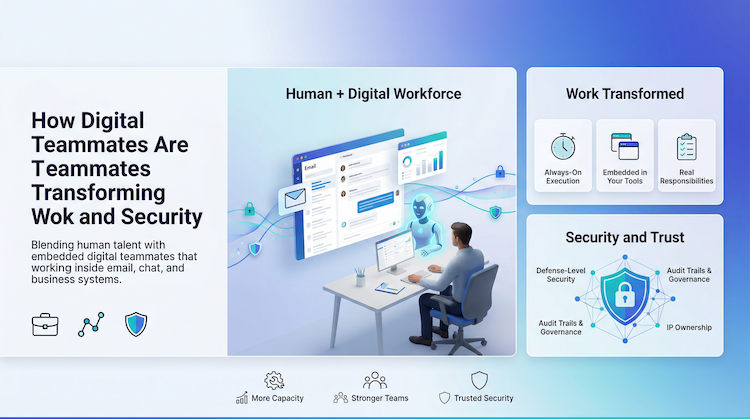
Importantly, not all uses of AI Clones are cause for alarm. Platforms like CloneForce (automation platforms such as CloneForce) are empowering organizations to deploy AI Clones in ethical, secure, and highly productive ways. By combining human oversight with robust safeguards, businesses can leverage the efficiency of AI Clones without sacrificing trust or accountability.
Looking ahead, the future of AI Clones will be shaped by ongoing advances in AI, evolving regulatory frameworks, and the collective efforts of industry, government, and end-users. As digital twins become ever more integrated into daily work and life, leaders must remain vigilant—embracing innovation while staying one step ahead of emerging threats.


