



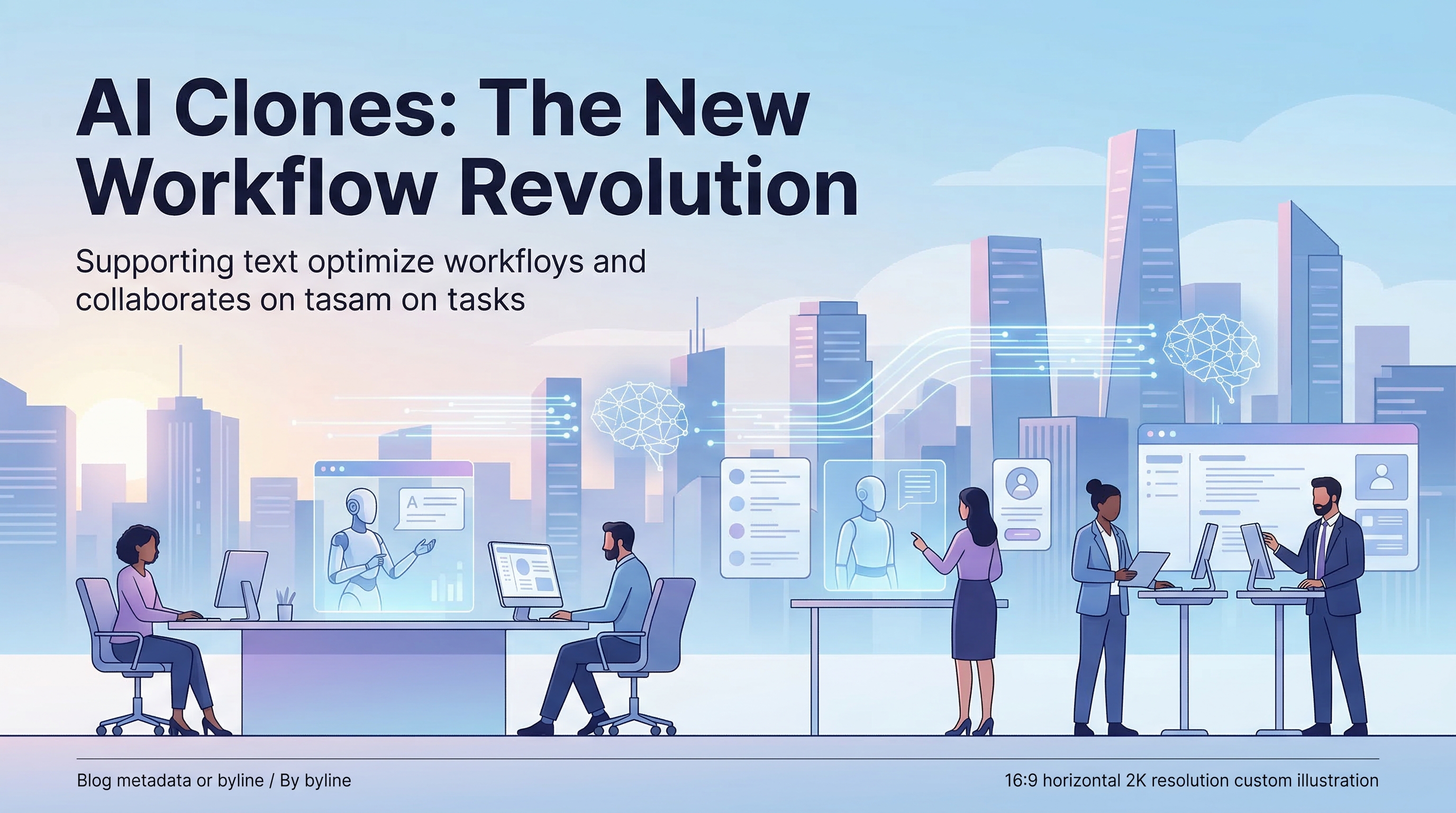
AI Clones: Shaping the Future of Collaboration and Security
The rise of AI Clones is rapidly transforming how organizations operate and innovate. Recent headlines have highlighted both the promise and pitfalls of these digital counterparts. According to Marketplace, AI coding agents are now so intuitive that anyone can create sophisticated websites, enabling a surge in scam sites that closely mimic legitimate brands. This wave of AI-driven impersonation is forcing businesses—especially smaller brands—to rethink their cybersecurity strategies and warning systems.
Meanwhile, the World Economic Forum has sounded the alarm on the global risks posed by synthetic media and deepfakes. AI Clones are at the heart of a new disinformation crisis, where advanced algorithms can generate convincing fake content at scale, challenging our ability to discern fact from fiction. As these technologies become more accessible, the need for robust verification and digital literacy grows more urgent.
On the innovation front, Euronews Next recently showcased AI software that creates digital clones of employees, allowing them to attend multiple meetings simultaneously. This breakthrough signals a new era of workplace optimization, where AI Clones support human productivity and collaboration in unprecedented ways.
Why AI Clones Matter: Risks, Rewards, and the Road Ahead
The proliferation of AI Clones brings both significant opportunities and complex challenges for businesses and society at large. On one hand, digital clones are enabling new forms of collaboration, as seen at CES 2026 with AI-powered digital twins that allow employees to be in two places at once. This kind of innovation is poised to redefine productivity and global teamwork.
However, as highlighted by Marketplace, the same technologies that empower productivity can also be weaponized for scams and fraud. The ease with which AI Clones can mimic brands and individuals is raising the stakes for cybersecurity and digital trust. The World Economic Forum notes that deepfakes and synthetic media are exacerbating global disinformation, making it harder for people to verify information and trust what they see online.
Major industry stories, such as those covered by TechCrunch, show that AI Clones are at the center of debates around security, ethics, and regulation. As governments and companies race to set boundaries and safeguards, the practical implications for businesses are profound: from protecting customer data to ensuring AI agents act responsibly.
Platforms like CloneForce are emerging as trusted partners in this landscape, offering automation tools that empower organizations to deploy AI Clones for legitimate collaboration, innovation, and growth. By embracing best practices and staying vigilant, businesses can harness the benefits of AI Clones—while mitigating risks and building resilience against emerging threats.
Looking ahead, expect to see continued evolution in both the technology and the regulatory frameworks that govern AI Clones. The next wave of innovation will likely focus on building trust, transparency, and seamless integration between human and AI collaborators. For leaders and builders, staying informed and adaptive will be key to unlocking the full promise of AI Clones in the years to come.


