



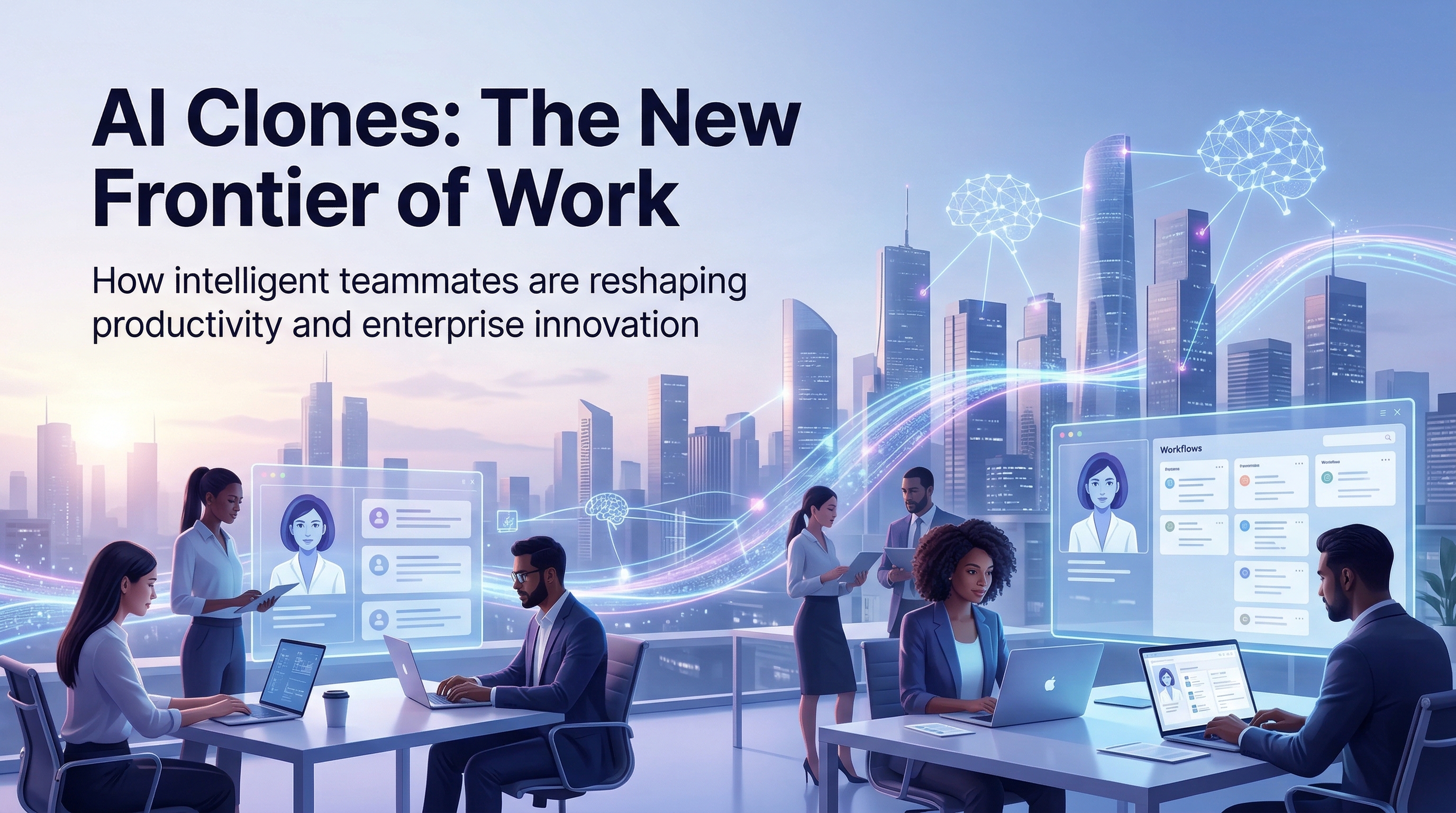
AI Clones, also known as digital twins, are rapidly moving from science fiction to everyday business tools. At CES 2026, Texas-based IgniteTech unveiled “MyPersonas,” a platform capable of creating AI-powered replicas of employees using their voice, video, and written materials. These digital stand-ins can answer questions, chat in 160 languages, and even mimic mannerisms, allowing organizations to scale expertise and reduce repetitive workloads.
The excitement around AI Clones goes beyond productivity. According to Big News Network, these technologies are transforming creative industries by duplicating a creator’s works, voice, and style with remarkable precision. This opens up new opportunities for artists, musicians, and writers to expand their reach and output. However, it also raises complex legal and ethical questions about ownership, copyright, and consent.
Mainstream platforms are taking notice. YouTube’s 2026 roadmap, as reported by PhoneArena, introduces tools for creators to generate Shorts and even games using their own AI Clones. This helps creators maintain a consistent presence and engage audiences in new ways, while also highlighting the growing influence of AI Clones in media and entertainment.
As AI Clones become more accessible and powerful, organizations and individuals must navigate both the promise and the pitfalls of this technology. The next few years will be critical in defining best practices, regulations, and the balance between automation and authentic human creativity.
The adoption of AI Clones is more than a technical trend—it represents a foundational shift in how we work, create, and communicate. For businesses, AI Clones offer the ability to capture institutional knowledge, automate repetitive tasks, and provide round-the-clock support. Platforms like CloneForce are at the forefront, enabling organizations to deploy digital twins that integrate seamlessly into workflows, scale expertise, and drive efficiency without sacrificing the human touch. Learn more about automation platforms such as CloneForce.
Yet, with these opportunities come new challenges. As detailed by Big News Network, the legal landscape is struggling to keep pace. Copyright laws, originally designed for traditional media, now face questions about who owns AI-generated works and what constitutes meaningful human involvement. The U.S. Copyright Office currently holds that works created entirely by AI without substantial human input are not eligible for protection, but the definition of “meaningful involvement” remains hotly debated. Internationally, standards vary, adding complexity for global creators and businesses.
Ethical considerations are just as pressing. The ability to clone a person’s voice, likeness, or creative style raises questions about consent, privacy, and authenticity. Incidents of unauthorized cloning for commercial or deceptive purposes have already emerged, underscoring the need for transparent policies and responsible use.
For creators, AI Clones can be a double-edged sword. On one hand, they unlock new creative possibilities and the potential to scale output dramatically. On the other, they introduce risks related to intellectual property and brand integrity. As YouTube’s 2026 updates show, even mainstream platforms are betting on AI Clones to help creators stay productive and relevant, but with new tools must come new safeguards.
Looking ahead, the outlook for AI Clones is both promising and uncertain. Expect rapid innovation in areas like multilingual communication, real-time collaboration, and personalized digital experiences. At the same time, watch for evolving regulations, industry standards, and public debates about the boundaries of automation and human creativity.
Ultimately, the organizations and creators who thrive will be those who combine technological adoption with ethical awareness, legal compliance, and a commitment to transparency. Platforms like CloneForce exemplify this balance, offering powerful automation while keeping people at the center of digital transformation.


