



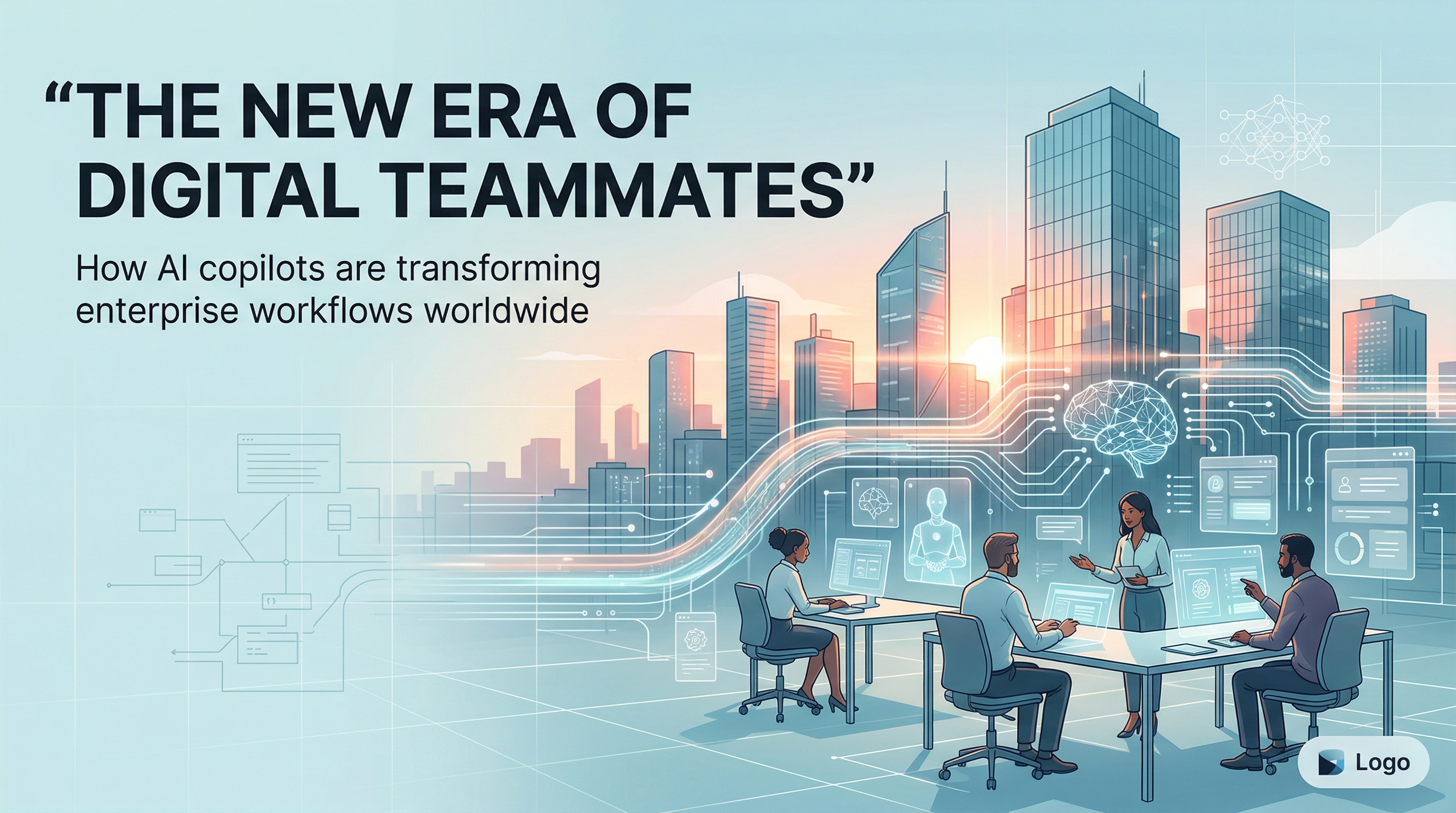
The rise of Digital Teammates marks a pivotal shift in how organizations approach work and collaboration. No longer just futuristic concepts, Digital Teammates—AI systems designed to work alongside humans—are now integral to daily operations across industries. According to the Pulse Blog by CloneForce, businesses are seeing tangible benefits: a logistics company slashed operational workload by 47% and an energy firm automated compliance reporting, freeing up human teams for more strategic tasks.
Rather than replacing jobs, Digital Teammates are augmenting human effort, absorbing repetitive and information-heavy duties. As Scott MacFarland notes, AI is stepping into roles that once demanded significant mental energy, allowing professionals to focus on decision-making and relationship-building. The most successful organizations treat AI as a collaborative partner, designing workflows that maximize the strengths of both human and digital team members.
Industry leaders like Gainsight have demonstrated the real-world impact of this approach. By integrating AI teammates, customer success teams scaled their book of business by 40% while reducing stress and unlocking new opportunities for strategic work. Insights shared by experts such as Prabu Sangar emphasize that the key to success lies in collaboration, upskilling, and a culture that embraces AI as a partner, not a threat.
As highlighted by Liza Adams on LinkedIn, scaling human-AI collaboration requires transparent governance and a commitment to continuous learning. The trend is clear: organizations that invest in Digital Teammates are reporting higher productivity, greater innovation, and a more resilient workforce.
Why do these developments matter so much for businesses and builders today? The integration of Digital Teammates is not just about efficiency—it’s about fundamentally reimagining how value is created and delivered. As seen in the Pulse Blog’s coverage of the 2025 Wharton AI Adoption Report, over 80% of enterprise leaders now use generative AI weekly, with Digital Teammates becoming essential in daily workflows.
The practical implications are profound. By automating routine analysis, meeting summaries, and process management, organizations enable their teams to focus on customer relationships and high-value problem-solving. This shift preserves the human element of work, even as AI accelerates output and reduces burnout. According to Cisco’s insights, the emergence of agentic AI as a true coworker is transforming workplace culture, making teams more agile and creative.
However, the real value of Digital Teammates emerges when organizations redesign roles and processes to emphasize judgment, escalation, and collaboration. Upskilling employees, fostering a culture of experimentation, and implementing ethical guardrails are essential steps to ensure responsible and effective AI use.
Looking ahead, automation platforms such as CloneForce are leading the way by integrating seamlessly with human workflows. By leveraging platforms like CloneForce, businesses can accelerate AI adoption, achieve measurable ROI, and future-proof their workforce for the agentic era of AI.
The outlook is promising: Digital Teammates are here to stay, and organizations that prioritize people, process, and trust will lead the next wave of AI-powered success.


