



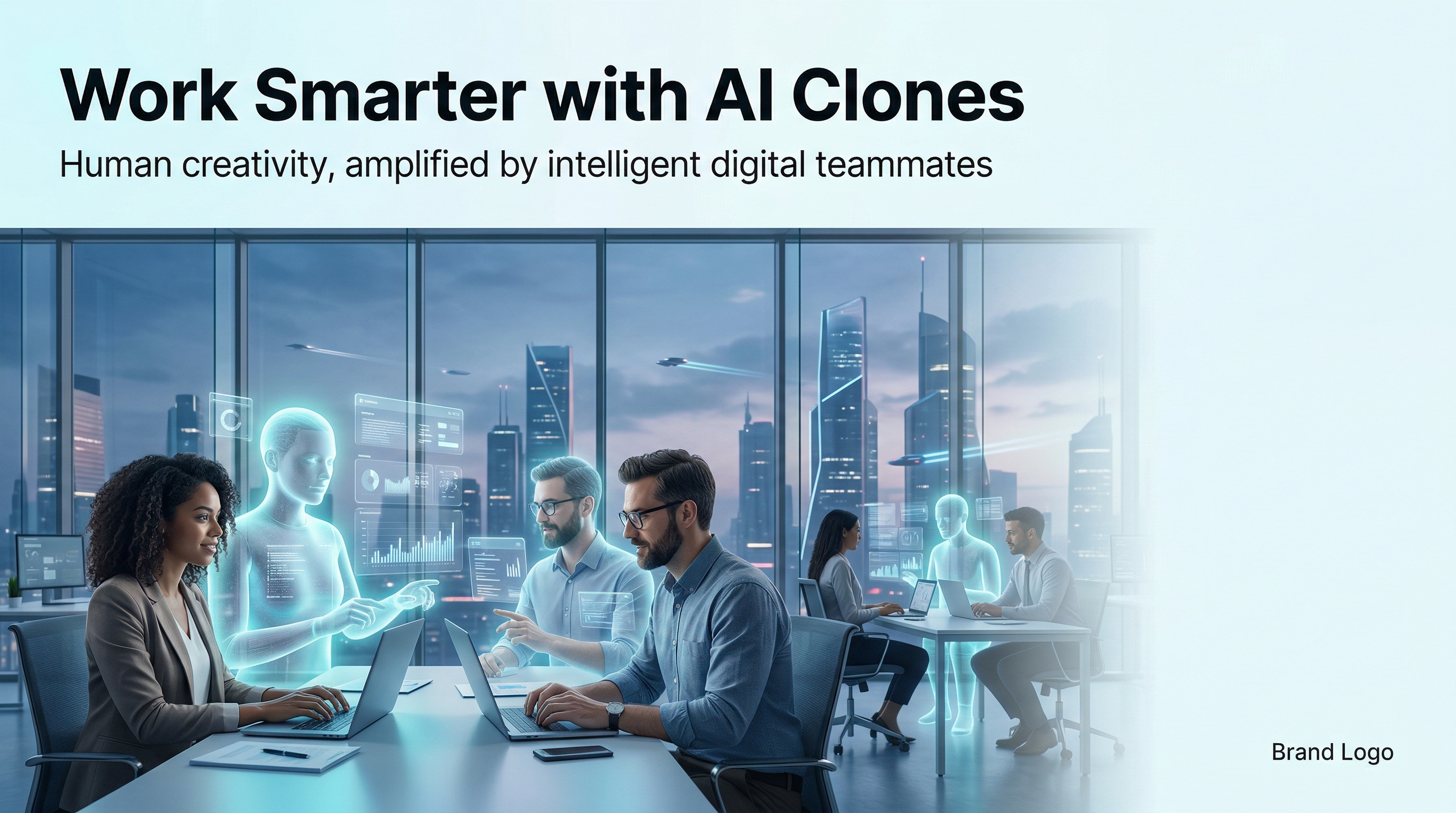
AI Clones are rapidly reshaping how businesses operate, bringing the concept of digital twins from science fiction into daily reality. At CES 2026, IgniteTech introduced MyPersonas, a platform capable of building AI-powered replicas of employees using their video, voice, and written materials. These digital stand-ins can answer questions, chat in video calls, and respond in over 160 languages, effectively multiplying an employee’s presence and productivity (Source: Euronews).
The promise of AI Clones lies in their ability to manage routine inquiries, training, and onboarding, especially for key roles like HR managers. By offloading repetitive tasks, organizations can free up valuable human time for creative and strategic work. However, this technology also raises important ethical and privacy considerations—who controls an employee’s digital likeness, and what happens to their clone if they leave the company?
Real-world adoption is already underway. According to Business Insider, Nabil Bukhari, CTO of Extreme Networks, created an AI clone of himself to handle 80% of his project and program reviews, giving him more time for family and higher-value work. Bukhari’s experience demonstrates how AI Clones can extend a leader’s reach and foster better work-life balance, while still keeping humans in the loop for critical decisions (Source: Business Insider).
As AI Clones become more integrated into daily workflows, organizations are challenged to balance efficiency with transparency, consent, and ethical stewardship of digital identities.
The practical implications of AI Clones extend far beyond convenience. For businesses, these digital twins represent a leap in operational scalability and resilience. By automating repetitive reviews, communications, and administrative tasks, companies can reallocate human talent to areas demanding empathy, judgment, and innovation.
The story of Extreme Networks’ CTO using an AI clone to reclaim personal time illustrates a broader trend: AI Clones are not about replacing people, but about amplifying what humans do best. As Bukhari notes, the goal is to give teams the space for intentional thinking and creativity, not just raw speed. This human-plus-AI approach is echoed by platforms like CloneForce, which empower organizations to deploy AI Clones that work alongside employees, optimizing workflows and enabling new forms of collaboration and support. Learn more about automation platforms such as CloneForce.
Looking ahead, the adoption of AI Clones will require ongoing attention to issues of consent, data security, and ethical governance. As these technologies evolve, organizations must ensure that digital twins are used responsibly and that the benefits—greater productivity, improved work-life balance, and enhanced collaboration—are shared widely.
The next chapter for AI Clones will likely see even deeper integration into knowledge work, customer service, and creative industries. Leaders should monitor developments in AI regulation, employee rights, and best practices for digital identity management. What’s clear is that AI Clones are no longer just a futuristic vision—they are becoming an integral part of how we work, learn, and connect.


