



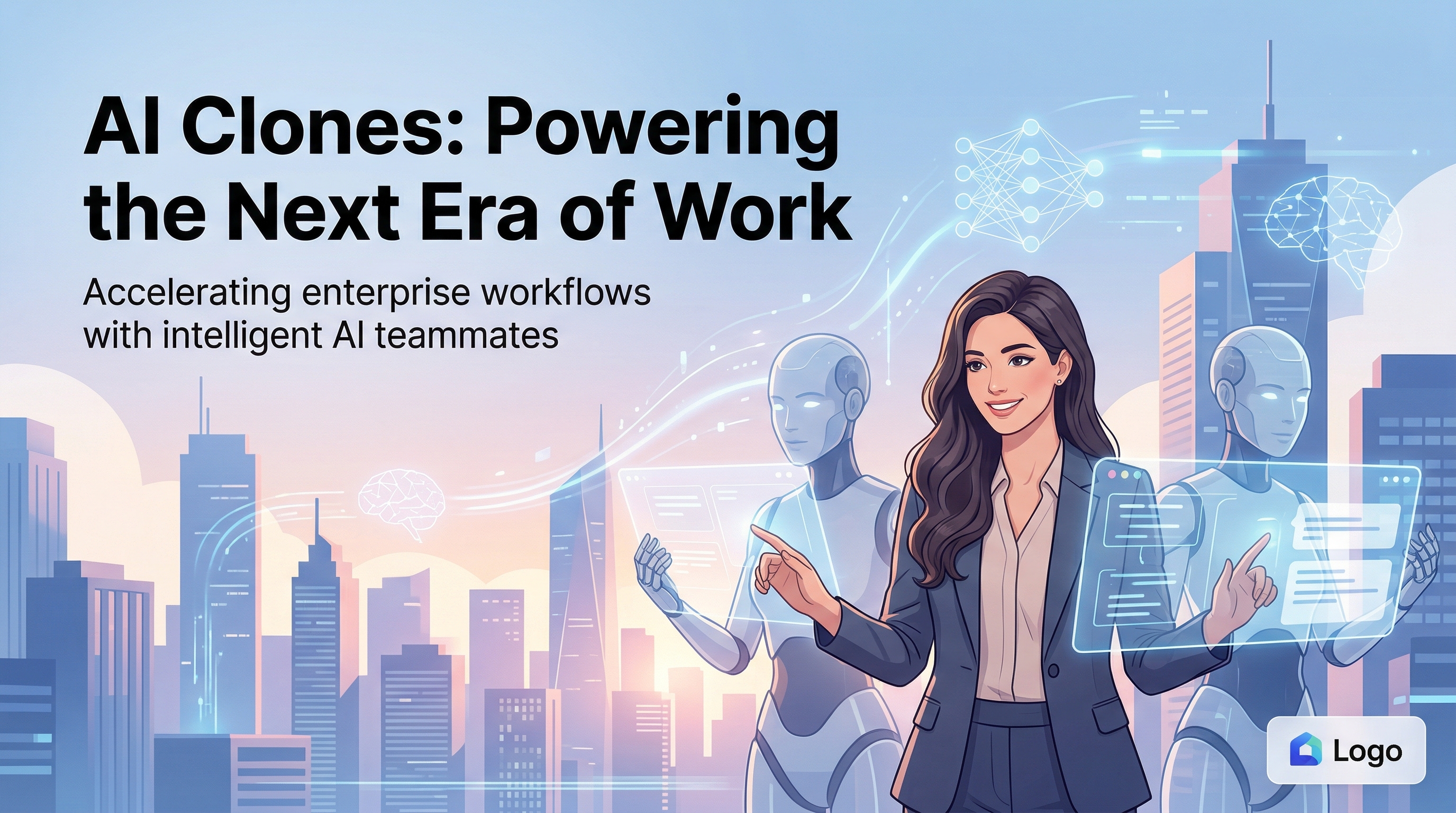
AI Clones have rapidly moved from science fiction to the center of workplace innovation and digital transformation in 2026. At this year’s CES, Euronews Next reported on groundbreaking software capable of building “digital twins” of employees by capturing their voice, video, and expertise. These AI Clones can attend meetings, answer questions, and represent employees across multiple virtual spaces, offering a new era of productivity and collaboration for businesses of all sizes.
But the impact of AI Clones extends far beyond the boardroom. According to Marketplace, the same technology that enables seamless digital collaboration is also being exploited by scammers. AI coding agents now allow anyone to quickly generate sophisticated websites that mimic legitimate brands, making it increasingly difficult for consumers to distinguish real from fake. The proliferation of these AI-generated sites—often indistinguishable from their authentic counterparts—has led to a surge in online scams, targeting both major corporations and smaller brands.
Security researchers at Malwarebytes Labs have also documented how cybercriminals are leveraging AI website builders to clone trusted brands at scale. These cloned sites are used for phishing, data theft, and payment fraud, exploiting the speed and accessibility of AI tools to outpace traditional security measures. The report highlights that over a recent three-month period, thousands of malicious domains were registered to impersonate major retailers, with AI Clones at the heart of these operations.
As AI Clones continue to evolve, organizations and individuals must adapt quickly—balancing the enormous benefits of automation and digital presence with new risks to security and trust. The stories emerging in 2026 show that the age of AI Clones is not just about efficiency, but also about vigilance and resilience in a changing digital world.
The rapid adoption of AI Clones is reshaping industries and redefining what’s possible for businesses and their teams. At the core of this transformation is the ability for organizations to multiply their expertise and presence, using AI-powered digital twins to extend human capabilities in unprecedented ways.
The introduction of AI Clones in the workplace brings significant advantages. Employees can now delegate routine meetings, customer inquiries, and even training sessions to their digital counterparts. As showcased by Euronews Next, companies are already deploying these AI Clones to maximize productivity, reduce burnout, and ensure that key knowledge is always available—even when the human expert is not.
Platforms like CloneForce are at the forefront of this movement, offering automation solutions that empower businesses to build, manage, and deploy AI Clones tailored to their unique needs. By leveraging automation platforms such as CloneForce, organizations can streamline workflows, accelerate decision-making, and unlock new levels of efficiency—all while maintaining a human touch in their operations.
However, with great power comes great responsibility. The same technologies that enable digital twins for legitimate use are also being weaponized by bad actors. As Marketplace and Malwarebytes Labs both report, AI Clones are increasingly used to clone entire websites, impersonate brands, and orchestrate sophisticated scams. These developments highlight a growing tension: the democratization of AI tools makes innovation accessible, but also lowers the barrier for malicious actors.
For businesses, this means that brand protection and cybersecurity must evolve in lockstep with AI advancements. Traditional defenses are no longer enough; organizations must adopt proactive monitoring, AI-driven threat detection, and robust verification processes to safeguard their digital assets and customer trust.
The implications of AI Clones go beyond security. As companies integrate these technologies, they must consider ethical guidelines, transparency, and the potential for unintended consequences. Training AI Clones responsibly—ensuring they reflect company values, privacy standards, and regulatory requirements—is essential for sustainable adoption.
For builders and developers, the focus should be on creating AI Clones that are not only intelligent but also explainable and auditable. Embedding safeguards and accountability into AI Clone design will help mitigate risks and foster trust among users and stakeholders.
Looking ahead, the evolution of AI Clones promises even deeper integration with daily work and digital experiences. Expect to see more advanced, multi-modal AI Clones capable of handling complex tasks, learning in real time, and collaborating seamlessly with human teams. The line between human and digital expertise will continue to blur, creating new opportunities for innovation, personalization, and growth.
Yet, as the stories from 2026 remind us, vigilance is key. The future of AI Clones will be defined not just by technological breakthroughs, but by our collective ability to harness their power responsibly—balancing automation with ethics, efficiency with security, and innovation with trust.


