



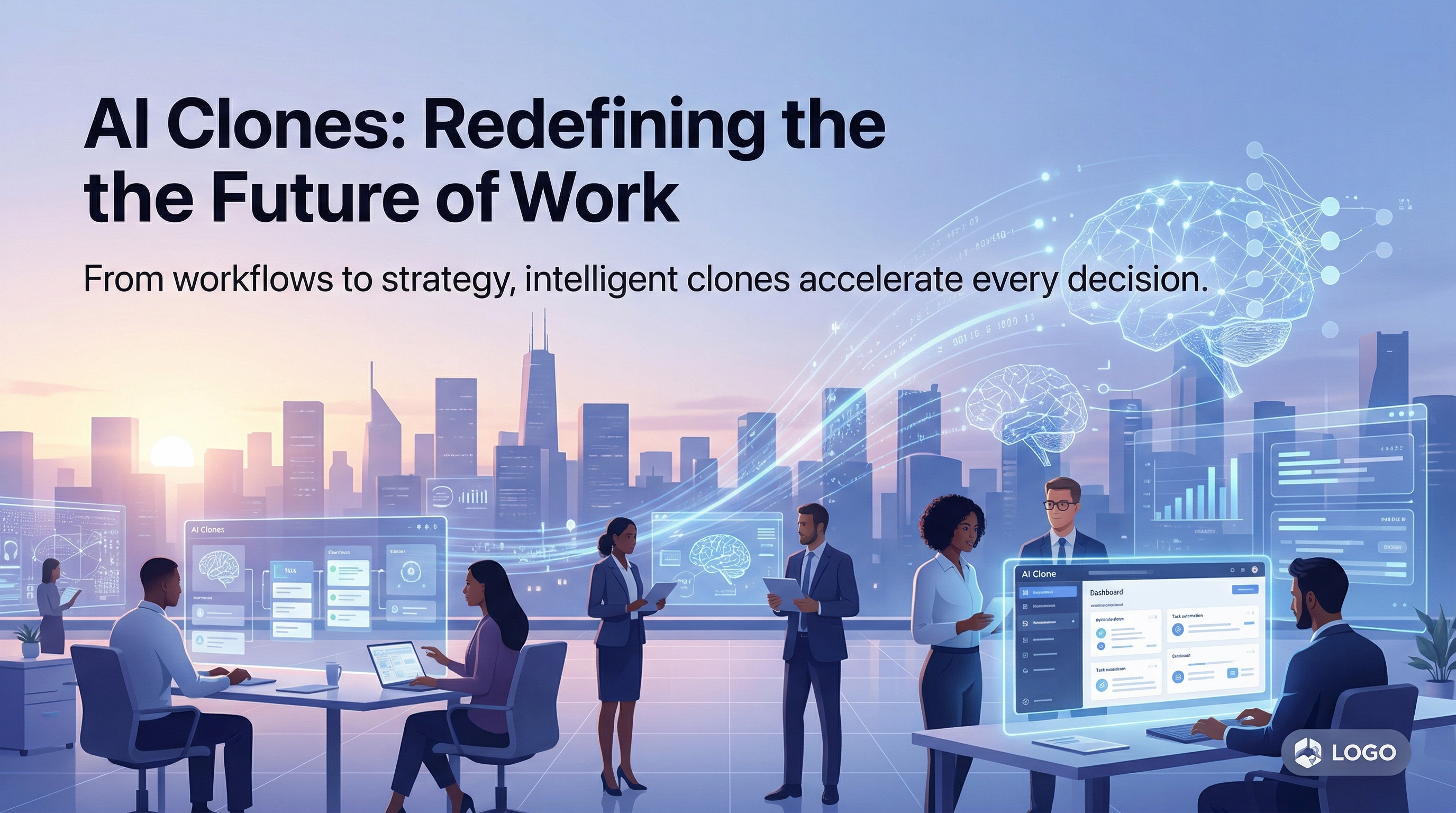
AI Clones have rapidly evolved from experimental novelties to mainstream tools, driving both opportunity and disruption across industries. According to the World Economic Forum, advanced AI Clones and synthetic media are now central to a global disinformation crisis, with deepfakes and AI-generated personas challenging the very fabric of truth and trust online. The EU AI Act has responded with new regulatory frameworks, but the pace of innovation continues to outstrip policy.
Meanwhile, the rise of AI-powered coding agents has made it possible for virtually anyone to create sophisticated websites and digital content, including scammers. Marketplace reports a surge in AI-driven “vibe scams” and brand imposters, as bad actors leverage AI Clones to build convincing fake sites and social media profiles at scale. Cybersecurity researchers at Malwarebytes have documented how AI-assisted website builders are being exploited to clone trusted brands, facilitate phishing attacks, and harvest user credentials.
Yet, not all stories are cautionary. At CES 2026, AI Clones were showcased for their potential to revolutionize health and personal identity, with innovations in disease prediction and digital persona creation (CGTN America). Personal narratives, like those explored by CNET, reveal how AI Clones are beginning to influence self-perception and digital interaction.
As AI Clones become ubiquitous, organizations and individuals must navigate both their transformative potential and the new vulnerabilities they introduce. The coming year will be a defining moment for how society adapts to—and governs—the AI Clone revolution.
The proliferation of AI Clones in 2026 is more than a technological trend—it is a paradigm shift with far-reaching implications for business, security, and human collaboration. The stories dominating recent headlines underscore both the promise and peril of this new era.
From a security perspective, the weaponization of AI Clones for disinformation and fraud is a growing concern. The World Economic Forum’s analysis highlights how AI-generated deepfakes and synthetic personas have become tools for cognitive manipulation, eroding public trust and amplifying polarization. The EU AI Act’s mandate for labeling AI-generated content is a step forward, but enforcement and detection remain challenging as deepfakes become nearly indistinguishable from reality.
Businesses face a dual challenge: leveraging the productivity gains of AI Clones while defending against the risks they introduce. Marketplace and Malwarebytes both report a surge in AI-powered scams, with cybercriminals using AI Clones to create convincing fake websites and phishing campaigns that target both consumers and brands. The low barrier to entry means that even small businesses and niche brands must remain vigilant, investing in cybersecurity education and robust verification systems.
At the same time, AI Clones are unlocking new opportunities for collaboration and personalization. Platforms like CloneForce exemplify how automation and human expertise can be combined, enabling organizations to scale customer service, content creation, and knowledge management without sacrificing quality or authenticity. The use of AI Clones for health insights and personal knowledge preservation, as demonstrated at CES 2026, points to a future where digital personas enhance—not replace—human capabilities.
For builders and innovators, the key is to approach AI Clones as tools for empowerment rather than mere replacements. This means designing workflows that keep humans in the loop, prioritizing transparency, and fostering a culture of continuous learning. The regulatory landscape will continue to evolve, but proactive governance, ethical design, and open communication are essential for building trust with customers and stakeholders.
Looking ahead, the most successful organizations will be those that balance innovation with responsibility. As AI Clones become embedded in everyday workflows, the ability to adapt, educate, and collaborate will determine who thrives in this new digital age. The next chapter in AI Clones is not just about smarter machines—it’s about smarter, more resilient human-AI teams.


